How Food Banks Are Becoming Essential to Our Health Infrastructure
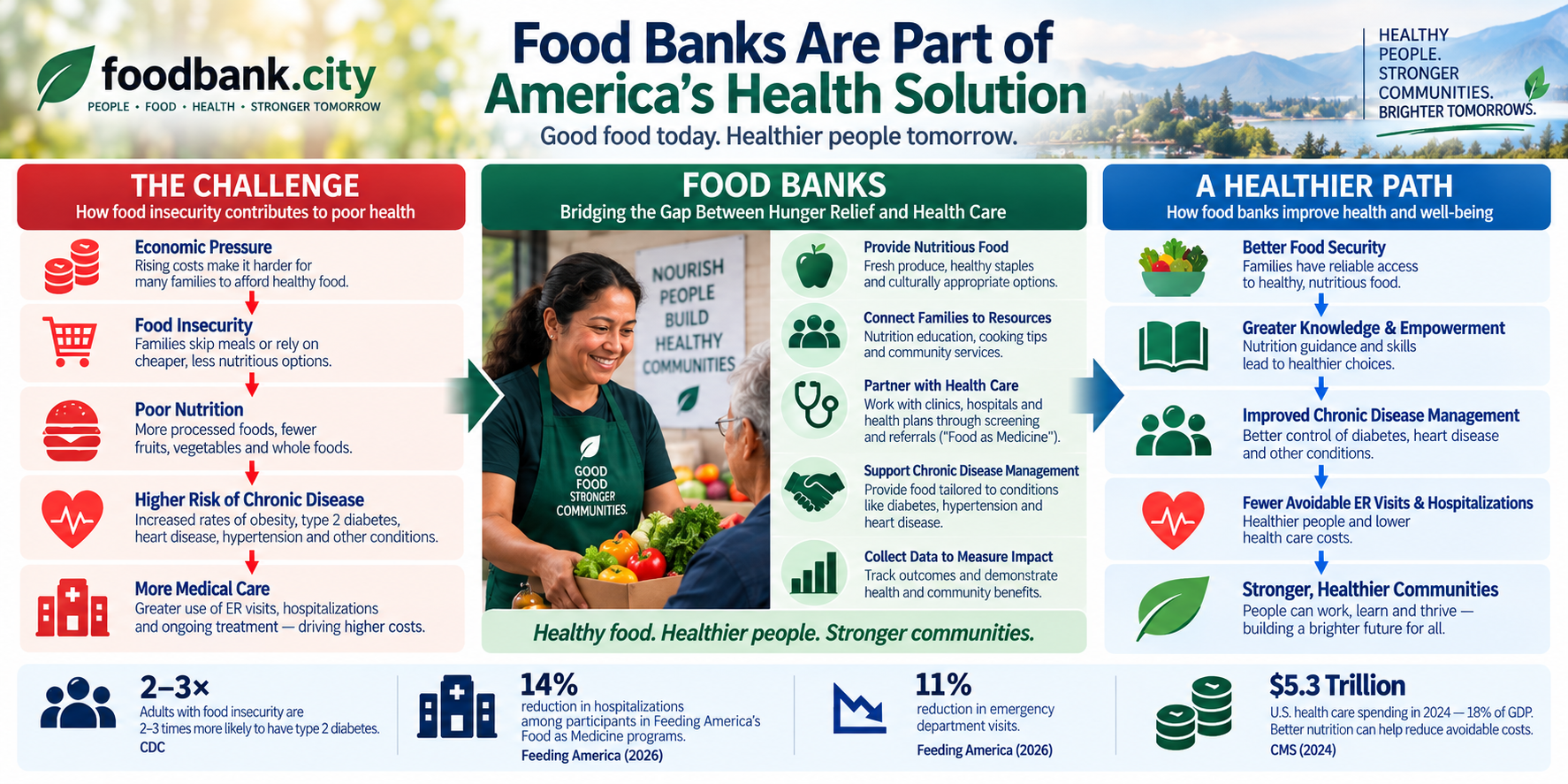
Discover how food banks are evolving beyond hunger relief to support nutrition and manage chronic health conditions like diabetes.
Food Banks: More Than Just Hunger Relief
Traditionally, food banks have been seen primarily as emergency resources for those facing food insecurity. However, their role is rapidly expanding to become a vital part of the health infrastructure, especially for individuals managing chronic health problems such as diabetes. By focusing on nutrition and health outcomes, food banks are making a meaningful impact on community well-being beyond simply providing meals.
The Intersection of Food Insecurity and Chronic Health Conditions
Food insecurity and chronic health problems are closely linked. Limited access to nutritious food can worsen conditions like diabetes, hypertension, and heart disease. Individuals who lack consistent access to healthy foods often rely on inexpensive, processed options that can exacerbate these illnesses. This cycle not only affects individual health but also increases healthcare costs and burdens on the healthcare system.
Why Nutrition Matters for Chronic Disease Management
Good nutrition plays a critical role in preventing and managing chronic diseases. For example, people with diabetes benefit from diets rich in whole grains, fresh fruits and vegetables, lean proteins, and healthy fats. These foods help regulate blood sugar and reduce complications. By integrating nutrition into their services, food banks can support better health outcomes and reduce the need for costly medical interventions.
Innovations in Food Bank Services: A Health-Centered Approach
Many food banks are evolving their programs to address nutrition and chronic disease management more intentionally. Here are some ways they are becoming part of the health infrastructure:
- Nutrition Education: Food banks are offering workshops and resources that teach clients how to prepare healthy meals tailored to specific health conditions.
- Healthy Food Access: Prioritizing fresh produce, whole grains, and low-sodium options to ensure clients receive foods that support their health goals.
- Partnerships with Healthcare Providers: Collaborations with clinics and hospitals enable food banks to provide medically tailored meals or food prescriptions to patients with chronic illnesses.
- Screening and Referral: Incorporating health screenings during food distribution to connect clients with appropriate health services.
Case Study: Food Banks Addressing Diabetes Through Nutrition
Several food banks have launched initiatives specifically targeting diabetes management. For instance, some programs distribute boxes of diabetes-friendly foods coupled with educational materials on carbohydrate counting and meal planning. Others work directly with dietitians to create meal kits designed to stabilize blood sugar levels. These efforts not only improve clients' health but also empower them with knowledge and skills to manage their condition long-term.
The Role of Technology in Enhancing Food Bank Health Services
Technology platforms, like Food Bank City, are increasingly important in helping food banks manage inventory of nutritious foods, coordinate volunteer efforts, and track client health outcomes. Data-driven insights allow food banks to tailor their offerings to community needs and evaluate the impact of health-focused programs effectively.
Looking Ahead: Food Banks as Community Health Hubs
As food banks continue to integrate nutrition and health services, they are becoming community health hubs—a trusted access point not just for food but for education, screenings, and referrals. This holistic approach helps break the cycle of food insecurity and chronic illness, improving quality of life for vulnerable populations.
What Food Bank Leaders Can Do Today
- Assess client needs related to chronic health conditions and nutrition.
- Build partnerships with local healthcare providers and nutrition experts.
- Incorporate nutrition education into food distribution programs.
- Leverage technology to streamline operations and track health outcomes.
- Advocate for policies that support food security as a public health priority.
By embracing this expanded role, food banks can be powerful agents in promoting health equity and supporting communities to thrive.