Food Banks May become Nutrition Consultation Hubs Through Technology and Strategic Partnerships
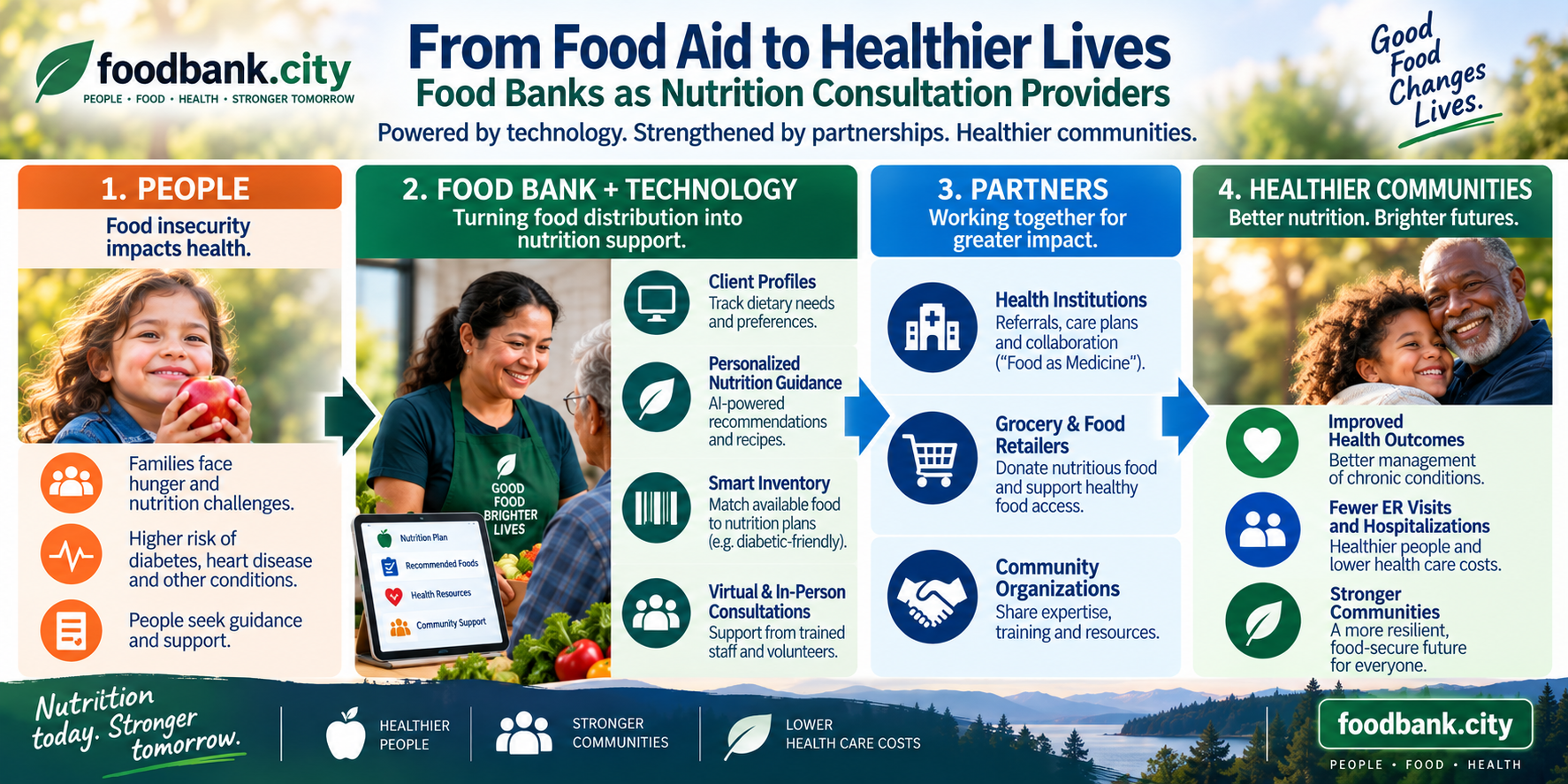
Discover how food banks can leverage technology and collaborations with health institutions and grocers to provide vital nutrition consultations, enhancing community well-being.
Introduction
Food banks have long been essential in alleviating hunger and food insecurity. However, their role is evolving beyond mere food distribution. By embracing technology and forging partnerships with health institutions and grocery sellers, food banks can transform into comprehensive nutrition consultation providers. This shift not only addresses immediate hunger but also promotes long-term health and wellness within communities.
The Growing Need for Nutrition Consultation in Food Banks
Food insecurity often correlates with poor nutrition and chronic health conditions like diabetes, hypertension, and obesity. Simply providing food is no longer sufficient; recipients need guidance on making healthy food choices that support their unique health needs.
Nutrition consultation services can empower individuals with tailored advice, cooking tips, and meal planning assistance. Food banks are uniquely positioned to deliver this support due to their direct connection with vulnerable populations.
Leveraging Technology to Enhance Nutrition Services
Modern technology plays a pivotal role in enabling food banks to offer effective nutrition consultations. Here are several ways technology can be integrated:
- Digital Nutrition Assessment Tools: Mobile apps and web platforms can help assess clients’ dietary habits and health risks efficiently.
- Virtual Consultations: Video conferencing tools enable dietitians and nutritionists to connect remotely with clients, overcoming geographical and scheduling barriers.
- Data Management Systems: Integrated software can track inventory, client preferences, and health data to tailor food distributions and consultations more effectively.
- Educational Content Delivery: Online portals, videos, and interactive modules provide accessible nutrition education tailored to different literacy levels and languages.
Building Strategic Partnerships
Successful nutrition consultation programs require collaboration across sectors. Food banks can benefit from partnerships with:
- Health Institutions: Hospitals, clinics, and public health organizations can provide professional nutritionists and dietitians, offer training, and share resources.
- Grocery Sellers and Retailers: Collaborations with grocers can increase access to fresh, nutritious foods and enable co-branded educational efforts promoting healthy choices.
- Community Organizations: Local nonprofits and advocacy groups can assist with outreach, volunteer recruitment, and culturally sensitive program design.
Implementing a Nutrition Consultation Program: Best Practices
For food banks aspiring to introduce nutrition consultation, the following steps are critical:
- Assess Community Needs: Conduct surveys and focus groups to understand nutritional gaps and barriers.
- Invest in Training: Equip staff and volunteers with foundational nutrition knowledge and technology skills.
- Develop User-Friendly Platforms: Ensure digital tools are intuitive and accessible, accommodating diverse client demographics.
- Establish Clear Referral Processes: Create pathways for clients to access additional healthcare services when needed.
- Monitor and Evaluate: Use data analytics to measure program impact and continuously refine services.
Impact on Community Health and Food Security
Integrating nutrition consultation within food banks can dramatically improve community health outcomes. Clients gain knowledge and confidence to make nutritious food choices, leading to reduced chronic disease risk and enhanced quality of life. Moreover, this holistic approach fosters stronger trust and engagement between food banks and the communities they serve.
Conclusion
By embracing technology and forging strategic partnerships, food banks can transcend traditional roles and become vital hubs for nutrition consultation. This evolution not only addresses hunger but also empowers individuals with the knowledge and resources needed for lasting health and well-being. Food banks that innovate in this way will be better equipped to meet the complex challenges of food insecurity in the 21st century.